We Ship Only Within India

Free Shipping On All Orders

Blog

natural dyes used for colouring wool

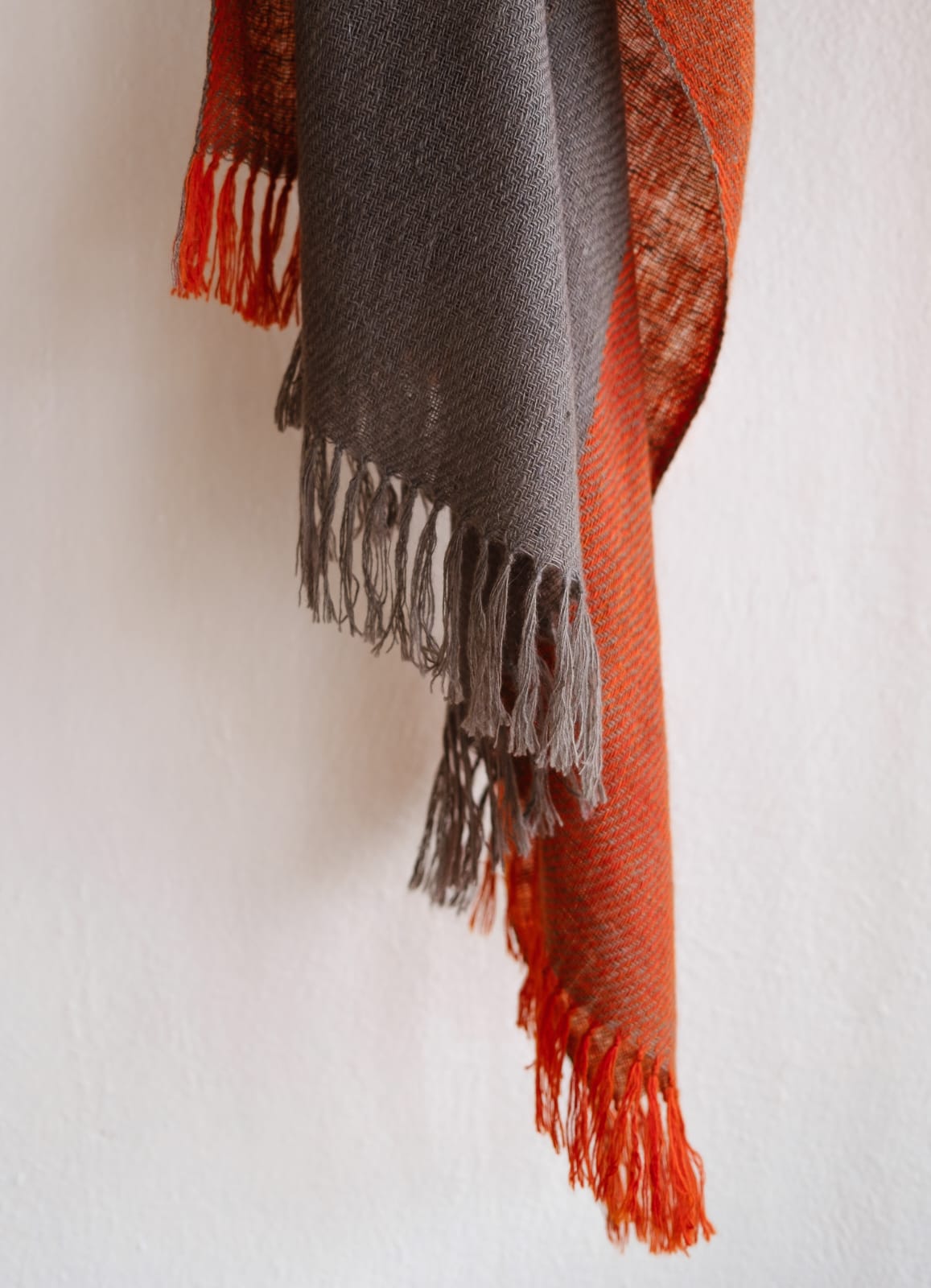
Himalayan Weavers Use Only Natural Dyes

What are Natural Dyes? These are colours obtained from natural sources, such as plants, animals and microorganisms. In the past, they were they were the only sources of colouring fabric and other articles. As synthetic dyes began to be produced on an industrial scale in the 19th century, they replaced

pashmina goats in ladakh

FAQs : Some Facts About Pashmina

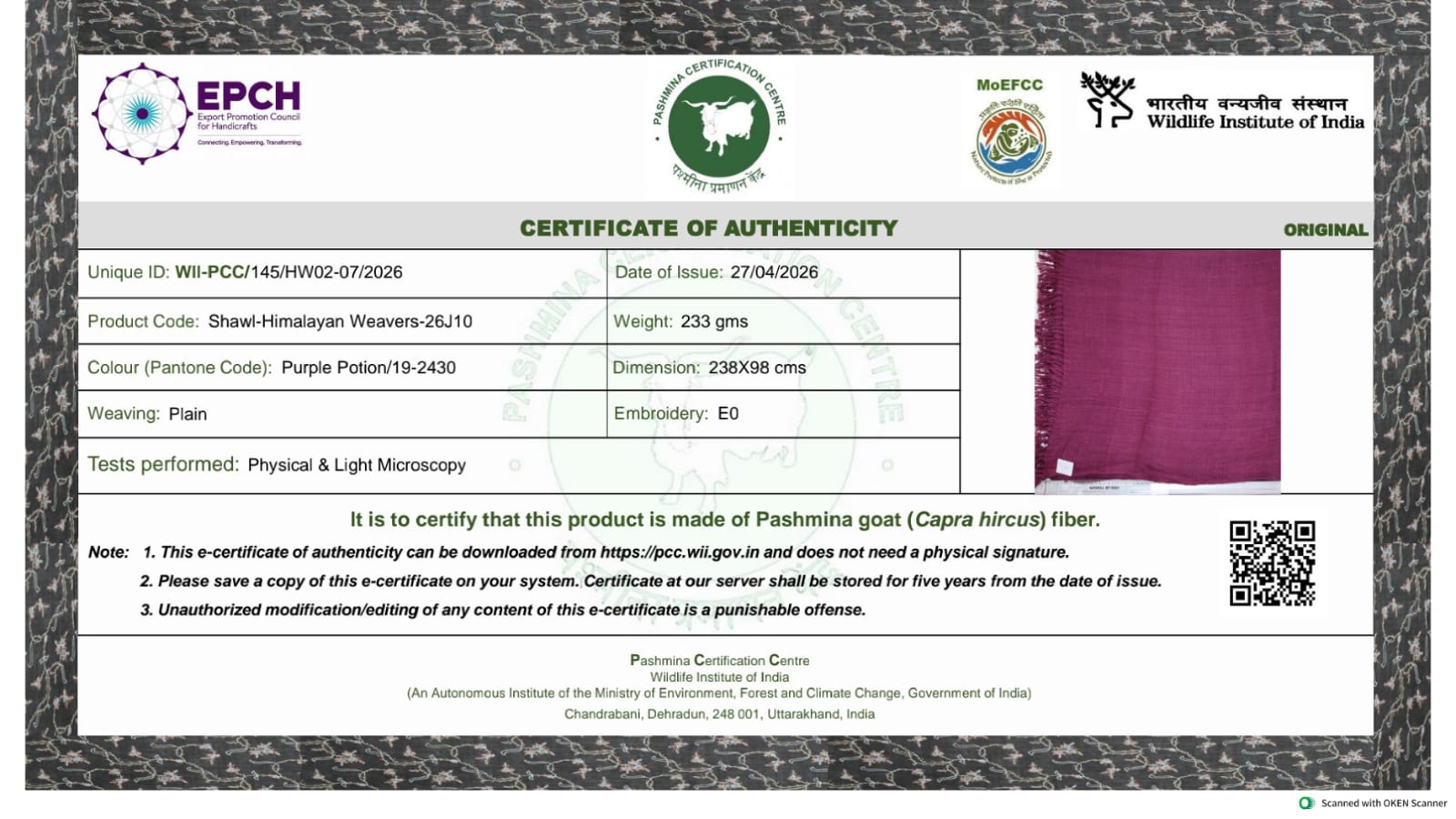
What is pashmina Pashmina is the undercoat of goats found in some of the world’s harshest climates. The winter temperature in these places can be as low as -35 centigrade. In order to survive these extremely low temperatures the goats develop a very fine undercoat. This undercoat or fibre is

washing wool to make shawls

Bhotiyas and Himalayan Wool

Many Himalayan communities have a tradition of working with wool. Most of them are pastoralists who keep large herds of animals, especially sheep.  While their dependence on animals for subsistence has diminished in recent years, wool and its products such as shawls, throws and carpets are still an important source

Changpas of Korzok

Korzok-Home of Best Pashmina in India

Some of the best pashmina produced in Ladakh comes from Korzok village in the Rupshu valley in Changthang. This pashmina is highly sought after as it is extremely fine and soft and is perfect for making lovely pashmina shawls stoles and scarves. The village is about 220 kilometers from Leh

pashmina goats

What is Pashmina? Where Does it Come From in India?

Pashmina is the undercoat of goats which are mostly found in Tibet, Mongolia and India. In India most of it comes from the Changthang region of Ladakh, which is a high-altitude cold desert at heights between  4000 and 4500 meters, extending into Tibet. The Changthang plateau is inhabited by pastoralist

Pashmina Shawl Weaving in Kashmir

Pashmina Shawl Weaving in Kashmir-A History

What is Pashmina? Where does it come from? Pashmina is the undercoat of goats found in many high-altitude regions worldwide, most commonly in Tibet, Mongolia and India. The climatic conditions in these places are very harsh, and the winters are particularly severe. The goats develop a fine, soft undercoat to

Women weaver making woolen scarf

Hand-woven woollens by tribes in the Himalayas find a global market

Source : – 30stades Sometime in the early 2000s, when Ghayur Alam was researching biodiversity conservation in Uttarakhand, he saw that many medicinal plants were becoming extinct because locals were recklessly harvesting them without permission and selling them to contractors in Delhi. He thought if there could be ways of

Ghayur Alam of Himalayan Weavers

A Start-up from the Valleys of Mussoorie Changing Weavers’ Life

Source : Entrepreneur.com It is said that spaces have tales. Around eight kilometres from Mussoorie, in an obscure hamlet called Masrana, a tale of love for nature, history, art and tradition is being weaved carefully. And it is being written by a feisty couple, Patricia and Dr Ghayur Alam, who had settled here

Makhan Prasad of Himalayan Weavers Dyeing wool with natural dyes for making woolen shawls, woolen stole and woolen scarf

How to build a business in the Himalayas

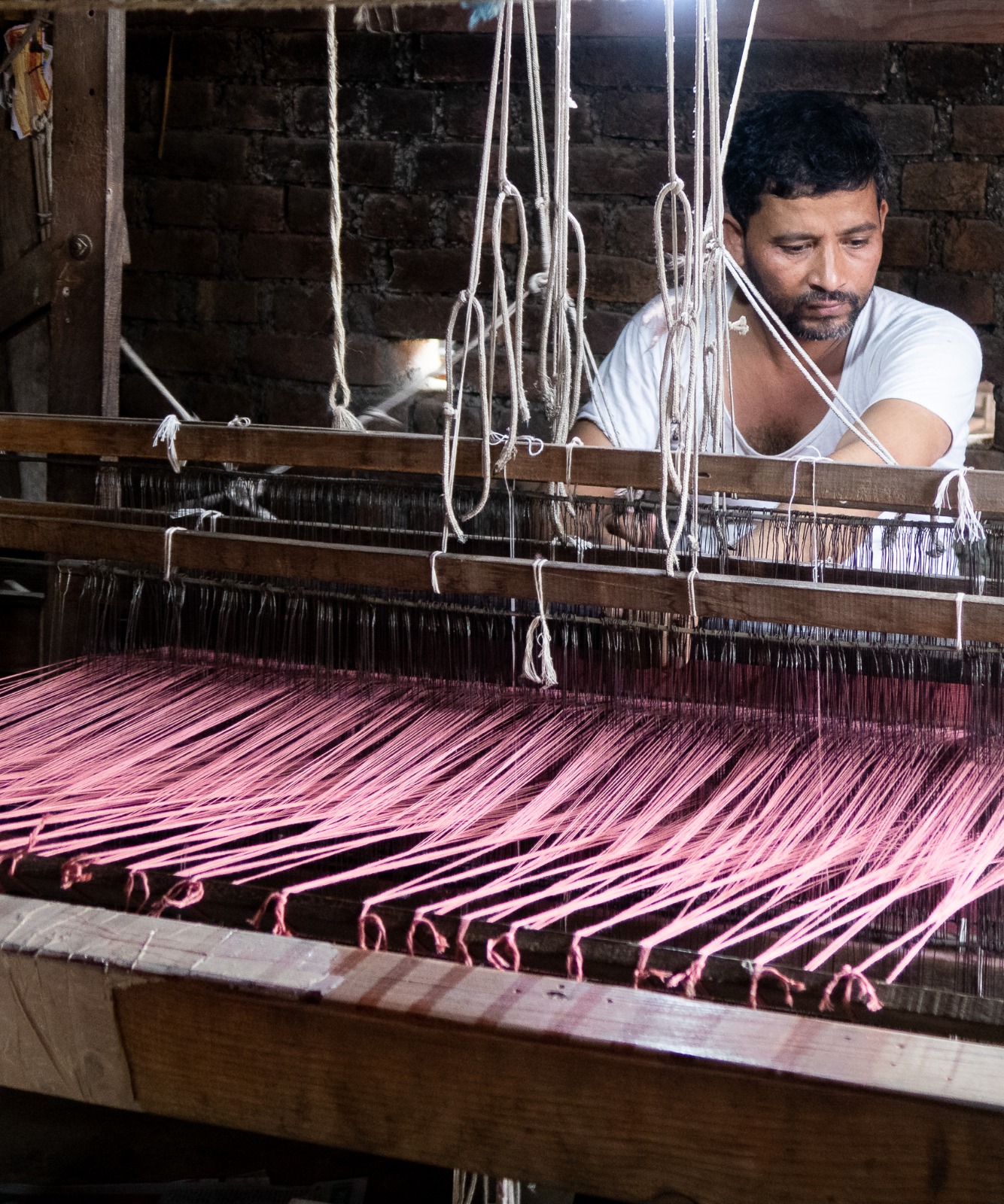
Source :- Rediff The Alams saw the magical spot while on a drive to the hills.A few years later they set up home and a small hand woven shawl business, hiring local weavers, using local wool and natural colours made of root, stem and flower.Rediff.com‘s Archana Masih met them in

Call Now Button

Credits: We appreciate HTML Viewer, jQuery for functionality, and Flaticon for useful icons, which helped us while creating this website.